Secure
≈ 50% OF ADULTS
Comfortable with closeness and independence in equal measure.
 | The Science of Connection
Based on the research of Dr. Amir Levine
Anxious. Avoidant. Fearful-avoidant. Secure. Your attachment style shapes how you connect, fight, and fall in love. Take the quiz to find out your style.
The Theory
The secret to lasting love isn't chemistry. It's understanding your patterns. Take the quiz to find out what your attachment style is, then watch Dr. Amir Levine's class on MasterClass to get the real science behind what your patterns mean for you and how to build the relationship you've always wanted.
≈ 50% OF ADULTS
Comfortable with closeness and independence in equal measure.
≈ 20% OF ADULTS
Seeks self-closeness and is attuned to partner's every signal.
≈ 25% OF ADULTS
Self-reliant, protective of independence and inner space.
≈ 3–5% OF ADULTS
Longing for closeness while fearing loss of independence at the same time.
| NEW CLASS
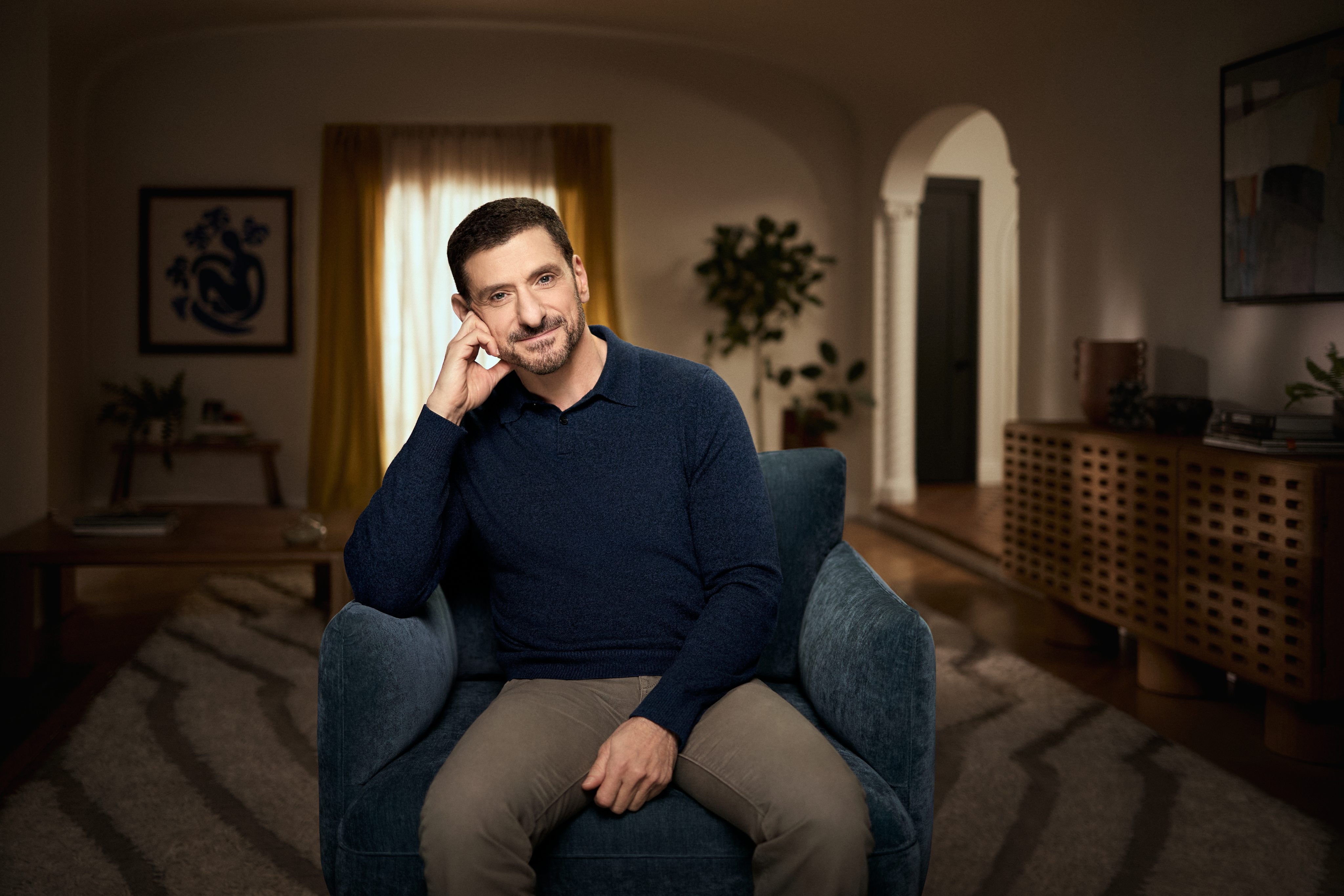
Dr. Amir Levine is a psychiatrist, neuroscientist, and bestselling author of Attached and Secure, the books that introduced millions to attachment theory. For over a decade, his work has helped people decode why some relationships feel effortless and others feel impossible — and what to do about it. His new class on MasterClass, The Science of Connection, distills 30+ years of research into a practical guide for the way you actually love.
Reflect honestly. There are no wrong answers.
YOUR RESULTS
You are predominantly
—
—

Your two dimensions
How much you worry about closeness & abandonment
How much you guard your independence
—
 | NEW CLASS
Now that you know your style, learn what to do with it. In his new MasterClass, Dr. Levine gives you the science-backed frameworks to end recurring fights, decode hot-and-cold behavior, and build relationships that actually feel secure.
Frameworks to apply to dating or relationships
End recurring fights
Catch triggers before reactions take over
Respond instead of shutting down
Decode your partner's behavior
Rewire relationships to last
For informational purposes only and does not contain medical advice. Not a substitute for therapy. The quiz in this project is adapted from the below sources:
Experiences in Close Relationships–Revised (ECR-R) — Fraley, R. C., Waller, N. G., & Brennan, K. A. (2000). An item response theory analysis of self-report measures of adult attachment. Journal of Personality and Social Psychology, 78, 350–365.
Original attachment theory — Bowlby, J. (1969/1982). Attachment and Loss, Vol. 1: Attachment. Basic Books. / Ainsworth, M. D. S., Blehar, M. C., Waters, E., & Wall, S. (1978). Patterns of Attachment.
"Attached" — Levine, A., & Heller, R. (2010). Attached: The New Science of Adult Attachment and How It Can Help You Find — and Keep — Love. Tarcher/Penguin. (Source for the four-style framing, prevalence percentages, "protest behavior," "deactivating strategies," and the anxious–avoidant trap.)
Foundational adult attachment theory — Hazan, C., & Shaver, P. (1987). Romantic love conceptualized as an attachment process. Journal of Personality and Social Psychology, 52, 511–524.